BENDIX KING 065-0115-00 Kts Sensor
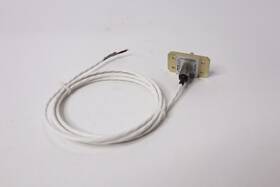
( Brand: Bendix King ), ( Manufacturer Part Number: 065-0115-00 ), ( Part Type: Sensor ), ( Compatible Make: Avionics ), ( Compatible Model: Kts-283 )
Review BENDIX KING Kts Temp Sensor fits 283
The BendixKing KTS-283 Servo-Controlled Air Data System Sensor, model number 065-0115-00, is a critical component of an aircraft's pressurization and airspeed measurement system. This sensor is designed to provide accurate and reliable airspeed and altitude information to the pilot, ensuring safe and efficient flight operations.
The KTS-283 sensor utilizes a pitot tube and static port to measure the difference in air pressure between the outside of the aircraft and the inside cabin. This pressure data is then converted into airspeed and altitude information by the sensor's advanced microelectronics. The sensor is capable of measuring airspeeds ranging from 0 to 527 knots indicated airspeed (IAS) and altitudes ranging from 0 to 53,000 feet Mean Sea Level (MSL).
The KTS-283 sensor is a servo-controlled design, which means it actively compensates for temperature and pressure changes to maintain accurate airspeed and altitude measurements. This compensation is accomplished through the use of a built-in temperature sensor and a heating element, which maintains the pitot tube temperature within a specific range for optimal performance.
The sensor housing is made of high-strength, impact-resistant composite material, ensuring durability and protection against the harsh aviation environment. The sensor is also designed to meet the stringent requirements of FAR Part 23 and 25, ensuring compliance with regulatory standards for general aviation aircraft.
The KTS-283 sensor features a standard ARINC 429 digital output, making it compatible with a wide range of avionics systems. It also has a built-in self-test function, which verifies the sensor's internal electronics and communication interface for added safety and reliability.
In summary, the BendixKing KTS-283 Servo-Controlled Air Data System Sensor, model number 065-0115-00, is a high-performance and reliable component for measuring airspeed and altitude in general aviation aircraft. Its advanced design, including servo-controlled temperature compensation and ARINC 429 digital output, make it a preferred choice for pilots and avionics manufacturers alike.
Bendix/King KTS-283 Sensor: A Detailed Analysis of Its Pros and Cons
The Bendix/King KTS-283 sensor is a popular choice in the aviation industry due to its advanced features and capabilities. In this analysis, we will examine the pros and cons of investing in this sensor.
Pros:1. Improved Aircraft Performance: The KTS-283 sensor provides accurate and reliable air data, including temperature, altitude, and airspeed. This information is crucial for optimizing aircraft performance and ensuring safe flight operations.
2. Durable Construction: The sensor is designed with rugged materials to withstand the harsh environmental conditions found in aviation applications. This ensures long-term reliability and reduced maintenance requirements.
3. Reduced Cockpit Workload: The KTS-283 sensor is capable of interfacing with various flight displays and systems, reducing the workload on pilots by providing essential flight information in real-time.
4. Compatibility with Modern Avionics: The sensor is compatible with numerous avionics systems, making it a versatile choice for various aircraft types and configurations.
5. Enhanced Safety: Accurate air data is essential for ensuring safe flight operations. The KTS-283 sensor's high-precision capabilities contribute to enhanced safety by providing reliable information for decision-making.
Cons:1. Initial Cost: The KTS-283 sensor may have a higher upfront cost compared to other sensors on the market. However, the long-term benefits, such as improved aircraft performance and reduced maintenance requirements, can offset this expense.
2. Installation Complexity: Installing the KTS-283 sensor may require specialized knowledge and tools, leading to increased installation costs and potential delays. It is recommended to work with an experienced avionics installer to ensure proper installation.
3. Dependence on Electrical Power: Like all electronic sensors, the KTS-283 relies on a consistent power supply. A power failure could result in inaccurate data, leading to potential safety concerns. Ensuring a reliable power source is essential for proper sensor operation.
Conclusion:The Bendix/King KTS-283 sensor offers numerous advantages, including improved aircraft performance, durability, reduced cockpit workload, compatibility with modern avionics, and enhanced safety. However, it comes with some drawbacks, such as a higher initial cost, installation complexity, and dependence on electrical power.
When considering the purchase of a Bendix/King KTS-283 sensor, it is essential to weigh the benefits against the disadvantages and assess how they apply to your specific aircraft and operational requirements. If the advantages outweigh the disadvantages and the investment aligns with your budget and priorities, the KTS-283 sensor could be an excellent addition to your avionics suite.
Details:
Bendix King KTS-283 Temp Sensor. All Manuals are for reference only. Airworthiness can only be determined by the FAA approved mechanic installing said item.
part #: 065011500 prices
- $150.00-$200.00
specifications avionicavioni:
- brand: Bendix King
- mpn: 065-0115-00
- part type: Sensor
- compatible make: Avionics
- compatible model: Kts-283
returns avionicavioni:
- time: 30 Days
- paid by: Buyer
- policy: Returns Accepted
general avionicavioni:
- Aviation Parts Accessories > Avionics > Other Avionics
- condition: New other see details
payments avionicavioni:
- credit card: Mastercard
- other
- wallet: Paypal
seller avionicavioni:
- # reviews: 2215
- city: Grand Junction, Colorado
- rating: 100.0%
shipping avionicavioni:
- type: Fixed
- carrier: UPS
- class: Standard, Expedited, One-day
- transit: 3-7 Days
- service: Standard, UPS 2nd Day Air, Overnight
- cost: $20.00
offer avionicavioni:
- quantity: 1
- availability: In Stock
- options: Ship-to-home
- sold: 0
- started: June 2, 2025
- best offers: True
Bendix King 065-0115-00 Is Similar To:
- Bendix 64 Kn62 62a 006-00144-0006 King Manual Dme Install Nos (34.6% similar) Bendix King KN62 62A and KN64 Dem installation manual nos part number all details to install or in plane troubleshoot...(June 6th, 2015)
- 006-0092-01 Bendix King Ind Install Manual (35.3% similar) Part: KI201C-213-214 prices...(September 12th, 2018)
- 006-0157-01 Bendix King Avionics Marker Beacon Manual Used Usa (28.6% similar) One Bendix King KR22 marker beacon installation and maintenance manual used very good condition.Sousa...(March 27th, 2019)
- 006-05143-0005 Bendix King Avionics Transponder Maint Manual Nos (35.5% similar) One Bendix King avionics KT-76A KT-78A factory mint manual which has parts lists, drawings and procedures for repair maintenance...(May 3rd, 2018)
- 006-08256-0004 Bendix King Kcs Compass System Pilots Guide (33.7% similar) Bendix King JCS 55A compass system pilots guide P/N KCS55 brand: manufacturer part number: pages: 23 condition: new surplus...(October 7th, 2018)
- 006-08307-0004 Bendix King Kns 80 (39.5% similar) Bendix King Kans 80 pilots guide revision 3/9 0 operating instructions for the RNA, remarkable good condition age...(January 21st, 2018)
- 006-08423-0000 Bendix King Avionics Inch Hsi Pilots Guide (34% similar) Bendix King EHI-40 4 inch horizontal situation indicator pilots manual P/N used good conditions...(August 26th, 2018)
- 006-18110-0000 Bendix King Silver Crown Plus Avionics System Pilots Guide (29.3% similar) Bendix King KT70 silver crown plus avionics system pilots guide pilots guide brand: part number: condition: new surplus, in sealed plastic...(September 28th, 2018)
- 006-18238-0000 Honeywell Bendix King Pilots Guide Addendum (37.6% similar) Bendix King KMD550 KMD850 pilots guide addendum P/N Tc's Ta's Ti's guide traffic avoidance function pilots addendum for software version or later brand: part number: condition: new surplus, in sealed plastic...(October 7th, 2018)
- 006-5557-03 Bendix King Autopilot Servo Maint Manual Inc (36.4% similar) Many service memos and bulletins also.Sousa P/N 272A, 273 273A and KM-275 servo mount. Bendix King KFC200 autopilot servo maintenance manual which covers KS-270,270A, 271, 271AKS-272...(April 22nd, 2019)
- 006-5590-00 Bendix King Autopilot Computer Maint Manual (36.7% similar) Sousa Bendix King avionics KC-190 KC-191 KC-192 autopilot computer maintenance manual used original condition...(March 25th, 2019)
