CESSNA 1A3C-2 Tachometer Sending Unit
fits model: G1000, Lycoming. make: Garmin, Cessna.
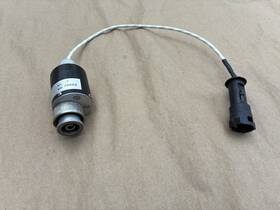
( Brand: Cessna ), ( Manufacturer Part Number: 1A3C-2 ), ( Part Type: Tachometer Sending Unit ), ( Country Of Origin: United States )
Review CESSNA Tachometer Sending Unit Garmin fits LYCOMING G1000
Introducing the Cessna 1A3C-2 Tachometer Sending Unit designed specifically for use with Lycoming engines and the Garmin G1000 avionics system. This essential component ensures accurate and reliable engine tachometer readings within your glass cockpit.
The Tachometer Sending Unit is meticulously crafted to meet the stringent requirements of Cessna aircraft and the advanced Garmin G1000 system. It seamlessly integrates with the engine's electrical system and sends real-time tachometer data to the G1000, enabling you to monitor engine RPM and maintain optimal performance.
Constructed using high-quality materials and advanced engineering techniques, this Tachometer Sending Unit is built to withstand the rigors of flight. It features a robust design that is both lightweight and durable, ensuring long-lasting reliability and performance.
The Tachometer Sending Unit is easy to install, requiring minimal wiring and connections to the engine and the G1000 system. It comes with clear and concise installation instructions to guide you through the process, ensuring a hassle-free experience.
Designed with precision and accuracy in mind, this Tachometer Sending Unit delivers reliable and accurate engine RPM readings to the G1000 system. It is calibrated to work with various Lycoming engines, providing you with versatility and flexibility in your aviation pursuits.
With the Cessna 1A3C-2 Tachometer Sending Unit, you can enjoy the benefits of a modern glass cockpit while maintaining the essential engine monitoring capabilities of your Lycoming engine. This essential upgrade enhances your flying experience, providing you with peace of mind and improved situational awareness in the cockpit.
Buying a Cessna 1A3C-2 Tachometer Sending Unit for use with a Lycoming engine and Garmin G1000 avionics system can provide several benefits, but it also comes with some considerations. Here are the pros and cons:
Pros:1. Improved Engine Monitoring: The Cessna 1A3C-2 Tachometer Sending Unit allows for accurate engine RPM monitoring on the Garmin G1000 avionics system, which is essential for safe and efficient operation.
2. Enhanced Situational Awareness: With the Tachometer Sending Unit integrated into the Garmin G1000 system, pilots will have access to engine data alongside other flight information, improving overall situational awareness.
3. Simplified Installation: The plug-and-play design of the Cessna 1A3C-2 Tachometer Sending Unit makes installation relatively straightforward, saving time and reducing the need for extensive wiring modifications.
Cons:1. Cost: The Tachometer Sending Unit can be a significant investment for some aircraft owners, especially when considering the cost of the Garmin G1000 system if it's not already installed.
2. Dependence on Electronics: Relying on electronic systems for engine monitoring increases the potential for system failures or malfunctions, which could potentially lead to safety concerns.
3. Complexity: Although the installation process is simplified compared to traditional methods, integrating the Tachometer Sending Unit into the Garmin G1000 system may still require some level of avionics expertise.
Conclusion:The Cessna 1A3C-2 Tachometer Sending Unit for use with a Lycoming engine and Garmin G1000 avionics system offers numerous benefits, including improved engine monitoring, enhanced situational awareness, and simplified installation. However, it comes with drawbacks such as cost, dependence on electronics, and potential complexity.
Recommendation:For aircraft owners looking to upgrade their engine monitoring capabilities, the Cessna 1A3C-2 Tachometer Sending Unit with the Garmin G1000 system is an excellent choice. However, it's essential to weigh the potential benefits against the investment and consider the aircraft owner's level of avionics expertise before making the purchase. If the cost is a concern, considering alternative solutions, such as traditional tachometer installations or other engine monitoring devices, may be worth exploring.
Details:
Unit was working when removed.
part #: 1a3c2 prices
- $325.00-$330.00
specifications avionicavioni:
- for models: G1000, Lycoming
- for makes: Garmin, Cessna
- brand: Cessna
- mpn: 1a3c-2
- part type: Tachometer Sending Unit
- country of origin: United States
seller avionicavioni:
- city: Miami, Florida
- # reviews: 518
- rating: 100.0%
payments avionicavioni:
- credit card: Mastercard
- wallet: Apple-pay
- other
returns avionicavioni:
- paid by: Buyer
- policy: Returns Accepted
- time: 30 Days
general avionicavioni:
- condition: Used
- Aviation Parts Accessories > Avionics > Other Avionics
offer avionicavioni:
- quantity: 1
- availability: In Stock
- options: Ship-to-home
- sold: 0
- started: November 13, 2025
- best offers: True
shipping avionicavioni:
- service: USPS Ground Advantage
- class: Standard
- cost: $9.06
- carrier: USPS
- type: Calculated
- transit: 6-12 Days
Cessna 1A3C-2 Is Similar To:
- 4035 Electrosystems Cessna Lycoming Alternator Es Nos (32.1% similar) Please let me know if you the exact model engine these go. I just need them sold...(December 22nd, 2018)
- 41090-1028 Cessna Arc C-531a Control Unit (34% similar) Ships well protected in a sturdy cardboard box...(December 27th, 2016)
- Control 1048a 45720-0000 Unit Nav Arc Cessna (26.9% similar) You are buying on a pre owned arc c 1048A Navy control unit. To USA address only. I do combine shipping when possible. Shipping and handling is 10. Unable to test. Any questions just ask. Selling as is...(March 1st, 2015)
- 465496 Narco Power Audio Unit From Cessna Airplane (18.3% similar) Marco T-12 MP-12 power audio unit from Cessna airplane item appears to be in good cosmetic condition but was not tested otherwise...(March 4th, 2018)
- 512-01 Instruments Inc Cessna Tachometer Pn (37.3% similar) ...(December 26th, 2018)
- C668020-0112 Cessna Tachometer (38.2% similar) ...(October 11th, 2018)
- Cessna Aircraft Fuel Sending Unit (45.7% similar) Starting bid is we converted over to digital fuel quantity. Up for offer is a fuel quantity sending unit the Rh side of Cessna 182 pre number S3852-4 and manufactures serial 3167. A new gasket is included...(July 14th, 2017)
- 010-00330-42 Cirrus Cessna Beech Garmin G1000 Data Supp Diamond Set Cards (24.2% similar) New garmin supplemental data card step n 42CARDS are in unopened package. Over 500 new from garmin. For any was aircraft without synthetic vision...(August 24th, 2015)
- D1-112-5023 Mitchell Rpm Tachometer P N Cessna Hour Meter (34.5% similar) Mitchell airplane products tachometer meh glass is clear and port on the back looks like it was kept lubricated and capped. See photos for details. I have not used this myself, so I don't know its condition other than to look at it. P/N d1 sold as is...(February 14th, 2016)
- S3329-1 Sl1010-001-1-1 Superior Labs Inc Cessna Mechanical Tachometer Pn Works (35% similar) Working when removed. Condition is used...(January 25th, 2021)
- Garmin Gtx3000 Install Rack And Kit 011-02515-00 Cessna Beech New (17.7% similar) Garmin GTX3000 install rack and kit 011-02515-00 Cessna beech new surplus. Never used, includes: rack p/n 011-02515-00 install kit p/n 011-02019-00 con fig module p/n 011-0797-20. New other see details condition...(July 8th, 2022)
