VISION MICROSYSTEM INC 4010081 Microsytems Data Processing Unit Pm
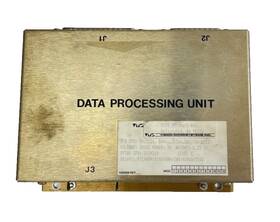
( Brand: Vision Microsystem Inc ), ( Manufacturer Part Number: 4010081 ), ( Part Type: Data Unit ), ( Country/region Of Manufacture: United States )
Review VISION MICROSYSTEM INC Microsytems Data Processing Unit Pm
The Vision Microsystems 4010081 Data Processing Unit (DPU) is a powerful and versatile microsystem designed for real-time image processing applications. This DPU is based on Vision Microsystems' proprietary FPGA technology, providing high processing speed and flexibility.
The heart of this DPU is its Field Programmable Gate Array (FPGA), which can be configured to implement various image processing algorithms such as edge detection, morphological operations, filtering, and more. The FPGA is supported by an embedded ARM Cortex-M3 processor, which is responsible for system control, communication, and software development.
The Vision Microsystems 4010081 DPU comes with an impressive array of interfaces, including Gigabit Ethernet, USB 2.0, and Camera Link, making it easy to integrate with various vision systems and sensors. It also features a high-speed memory interface, allowing for large image buffers to be processed in real-time.
The DPU is designed for rugged industrial applications and operates over a wide temperature range (-40 C to 85 C). It also includes various protection features such as over-voltage and over-current protection, ensuring reliable operation even in harsh environments.
The Vision Microsystems 4010081 DPU is a comprehensive solution for image processing applications, offering high performance, flexibility, and ease of integration. Its modular design allows it to be customized to meet specific application requirements, making it a popular choice for OEMs and system integrators. With its advanced features and robust design, this DPU is an ideal choice for demanding image processing applications in industries such as automotive, healthcare, and manufacturing.
The Vision Microsystems 4010081 Data Processing Unit PM (DPU) is a programmable machine vision system designed for applications requiring image processing and analysis. Like any technology purchase, it's essential to consider the pros and cons before making a decision.
Pros:1. Flexibility: The Vision Microsystems DPU offers a high degree of flexibility due to its programmable nature. It can be customized to meet specific application requirements, making it a versatile solution.
2. High-speed processing: The DPU is capable of processing images at high speeds, making it suitable for applications that require real-time image analysis.
3. Integration with various sensors: The Vision Microsystems DPU can be integrated with various sensors, including cameras, enabling the system to acquire and process images from different sources.
4. Robust: The DPU is designed to operate in harsh industrial environments, ensuring reliability and longevity.
5. Customizable software: The DPU comes with a customizable software development kit (SDK), allowing developers to create custom applications for their specific use cases.
Cons:1. Learning curve: The Vision Microsystems DPU requires a certain level of expertise to program and integrate with other systems. This learning curve can be a barrier for those with limited experience in machine vision.
2. Cost: The Vision Microsystems DPU is a high-performance machine vision system, and as such, it comes with a premium price tag.
3. Complexity: The DPU's advanced features and capabilities can make it complex to set up and configure, requiring additional resources and time.
In conclusion, the Vision Microsystems 4010081 Data Processing Unit PM is a powerful machine vision system that offers flexibility, high-speed processing, and customization options. However, it also comes with a learning curve, complexity, and a premium price tag.
Recommendation:The Vision Microsystems DPU is an excellent choice for organizations with complex machine vision requirements and the resources to invest in its implementation. It is also suitable for those who require high-speed image processing and analysis. However, for simpler applications or those with limited resources, other machine vision solutions with lower complexity and cost may be more appropriate.
Details:
part #: 4010081 prices
- $44.00-$180.00
specifications avionicavioni:
- brand: Vision Microsystem Inc
- mpn: 4010081
- part type: Data Unit
- country/region of manufacture: United States
shipping avionicavioni:
- cost: $7.70
- service: USPS Priority Mail
- carrier: USPS
- transit: 5-12 Days
- class: Expedited
- type: Fixed
seller avionicavioni:
- # reviews: 74
- city: Miami, Florida
- rating: 100.0%
offer avionicavioni:
- best offers: True
- quantity: 1
- availability: In Stock
- started: April 16, 2025
- sold: 0
- options: Ship-to-home
returns avionicavioni:
- policy: No Returns
general avionicavioni:
- Aviation Parts Accessories > Avionics > Other Avionics
- condition: Used
payments avionicavioni:
- wallet: Paypal
- credit card: Discover
- other
Vision Microsystem Inc 4010081 Is Similar To:
- Vision Microsystems 3010015 Manifold Pressure Transducer Vm1000 Data Processing (63.4% similar) If this product is a medical device or item. David Clark 18028G-01 communication cord kit for H10-10 / 30 /40 avionics. Brand: Vision Microsystem. Items are sold individually unless specified otherwise in the listing title. Misbehaves. If you are a customer in the EU or northern Ireland. Multiple ...(June 11th, 2025)
