AIRBUS F925-90267-004-00 Aircraft Passenger Service Unit F925-90236-008-00C
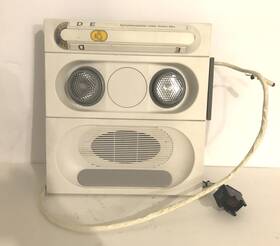
( Brand: Airbus ), ( Manufacturer Part Number: F925-90267-004-00 ), ( Part Type: Unit ), ( Compatible Model: A340 ), ( Country/region Of Manufacture: France ), ( Custom Bundle: No ), ( Non-domestic Product: Yes )
Review AIRBUS Aircraft Passenger Service Information Unit
The Airbus F925-90267-004-00 Passenger Service Unit (PSU) is a crucial component of the Airbus A320 Family aircraft's electrical power system. This particular PSU model, F925-90236-008-00C, is designed for providing power to various passenger service systems, such as lighting, communications, and entertainment, ensuring a comfortable and enjoyable flying experience.
The PSU is a compact, lightweight, and reliable unit, measuring approximately 33.5 inches (85 cm) in length, 12 inches (30.5 cm) in width, and 11 inches (28 cm) in height. It is engineered to operate in a wide range of temperature conditions, from -40 C to 55 C (-40 F to 131 F), making it suitable for use in various climatic environments.
The PSU features a robust design, incorporating advanced circuitry and components to ensure efficient power conversion and distribution. It is capable of handling a maximum input voltage of 260VAC and a maximum output voltage of 28VDC for passenger systems. The unit also includes built-in redundancy and protection features, such as overvoltage, undervoltage, and overcurrent protection, ensuring the safe and reliable operation of connected systems.
The F925-90236-008-00C PSU is designed to be easily integrated into the aircraft's electrical power system, featuring a modular design with quick-disconnect connectors for easy installation and maintenance. The unit's exterior casing is constructed from durable, fire-resistant materials, providing an additional layer of safety and protection.
The Passenger Service Unit undergoes rigorous testing and certification processes to meet the stringent requirements of aviation industry standards, such as DO-160F and FAR-25. It is also compliant with EN 55011 Class B and EN 55022 Class B emissions standards, ensuring minimal electromagnetic interference with other aircraft systems.
In summary, the Airbus F925-90267-004-00 Passenger Service Unit F925-90236-008-00C is a crucial component of the Airbus A320 Family aircraft's electrical power system, designed to provide power to various passenger service systems while ensuring reliable, efficient, and safe operation. Its robust design, advanced features, and compliance with aviation industry standards make it an essential component in ensuring a comfortable and enjoyable flying experience for passengers.
The Airbus F9 concerned is the Airbus F9 New Generation Series Passenger Service Unit (PSU), specifically model numbers F925-90267-004-00 for the galley and F925-90236-008-00c for the lavatory. These units are crucial components in aircraft cabins, providing essential services like water and waste management, galley functions, and electrical power distribution. Let's examine the advantages and disadvantages of investing in these Airbus F9 PSUs for passenger service.
Advantages:1. Efficiency and Reliability: Airbus F9 PSUs are renowned for their superior efficiency and reliability, ensuring minimal downtime and reduced maintenance costs. They are designed to operate under demanding conditions, making them an excellent choice for airlines with extensive flight schedules.
2. Reduced Weight: The F9 PSUs are lighter than their predecessors, contributing to overall aircraft fuel savings and lower emissions. This weight reduction is a significant advantage for airlines aiming to reduce their carbon footprint.
3. Improved Cabin Comfort: The galley PSU offers improved temperature control, ensuring that catering remains at the desired temperature during flights. Additionally, the lavatory PSU provides consistent power and water supply, enhancing passenger comfort.
4. Enhanced Safety: Airbus F9 PSUs come with several safety features, such as pressure relief valves and automatic shut-off mechanisms. These features help prevent potential hazards in the cabin, ensuring a safer flying experience for passengers.
Disadvantages:1. High Initial Cost: The Airbus F9 PSUs can be expensive to purchase, particularly for airlines with a large fleet. This high upfront investment may be a barrier for some airlines, especially those with limited budgets.
2. Complex Installation: The installation process for these PSUs can be intricate and time-consuming. Airlines must allocate sufficient resources and manpower to ensure a successful installation, which can add to the overall cost.
3. Limited Customization: While the F9 PSUs offer a range of features, they may not cater to the specific needs of every airline. Customization options are limited, so airlines with unique requirements may need to explore alternative solutions.
Conclusion:The Airbus F9 New Generation Series Passenger Service Units present a compelling proposition for airlines, offering improved efficiency, reliability, and safety. While the high initial cost and complex installation process may deter some airlines, the long-term benefits, such as reduced weight and enhanced cabin comfort, make these PSUs a worthwhile investment for those prioritizing operational excellence and passenger satisfaction.
Recommendation:If an airline is considering the purchase of Airbus F9 PSUs for their fleet, it is recommended that they carefully consider the pros and cons and weigh the benefits against the potential costs. A detailed cost-benefit analysis, including the assessment of any potential savings from fuel efficiency and downtime reduction, can help airlines make an informed decision. Additionally, seeking the advice of experienced aviation consultants or industry experts can provide valuable insights into the specific needs and challenges of implementing these PSUs in an airline's operations.
Details:
It is in good condition without damage to the housing or connectors. This is a passenger service information unit for Airbus A340 commercial aircraft. Airbus Aircraft Passenger Service Information Unit F925-90236-008-00C. Unfortunately it is not tagged and I have no way to test so being listed AS IS.
This one was removed from D-AIGB during tear down and has been in storage since.
specifications avionicavioni:
- brand: Airbus
- mpn: F925-90267-004-00
- part type: Unit
- compatible model: A340
- country/region of manufacture: France
- custom bundle: No
- non-domestic product: Yes
seller avionicavioni:
- # reviews: 14851
- rating: 100.0%
- city: Cleveland, Tennessee
shipping avionicavioni:
- carrier: USPS
- service: USPS Priority Mail
- cost: $26.15
- type: Calculated
- transit: 5-11 Days
- class: Expedited
payments avionicavioni:
- wallet: Paypal
- credit card: Diners-club
- other
general avionicavioni:
- condition: Used
- Aviation Parts Accessories > Avionics > Other Avionics
returns avionicavioni:
- policy: No Returns
offer avionicavioni:
- options: Ship-to-home
- availability: In Stock
- sold: 0
- started: September 8, 2025
- quantity: 1
Airbus F925-90267-004-00 Is Similar To:
- 110vu Airbus Aircraft Fuel Control Panel (34.6% similar) Unfortunately it is not tagged and I have no way to test so being listed as. Thanks again. This one was removed from g-Mons during tear down and has been in storage since. Airbus A340 aircraft 110VU fuel control panel this is a for A320 commercial. Another offer from aircraft stock, inc. It is in ...(November 25th, 2018)
- 115vu Airbus Aircraft Rudder Trim Control Panel (38.8% similar) Another offer from aircraft stock, inc. Thanks again. It is in good condition without damage to the housing or connectors. Airbus aircraft 115VU rudder trim control panel this is a breaker for commercial. Unfortunately it is not tagged and I have no way to test so being listed as. This one was ...(February 10th, 2019)
- 119vu Airbus Aircraft Cockpit Door Control Panel (29.6% similar) Airbus A320 aircraft 119VU cockpit door control panel this is a for commercial. This one was removed from g-minx during tear down and has been in storage since. Another offer from aircraft stock, inc. It is in very good condition without damage to the housing or connectors. Unfortunately it is not ...(November 1st, 2018)
- 125vu Airbus Aircraft Panel Light (38.3% similar) Airbus aircraft panel light control 125VU this is a cockpit used on commercial. Thanks again. This one has a parts tag showing removal from 6Y-JMS on during tear down and been in storage since. Another offer from aircraft stock, inc...(June 5th, 2017)
- 131vu Airbus Aircraft Control Panel (32.8% similar) Airbus A320 aircraft 131VU control PANEL160 this is a pilot for commercial. It is in very good condition without damage to the housing or connectors. Unfortunately it is not tagged and I have no way to test so being listed as. This one was removed from g-minx during tear down and has been in storage...(November 1st, 2018)
- 135vu Airbus Aircraft Switching Control Panel (30.3% similar) Thanks again. Airbus A340 aircraft 135VU switching control panel this is a for commercial. Another offer from aircraft stock, inc. It is in good condition without damage to the housing or connectors. This one was removed from d-Acuff during tear down and has been in storage since. Unfortunately it ...(November 24th, 2018)
- 163lcp50a Lewis Airbus Aircraft Pneumatic Temperature Indicator (32% similar) It is not tagged and I have no way to test so being listed as. Another offer from aircraft stock, inc. 163LCP50A, puritan, the Lewis engorge. It is in good condition without damage to the housing or connector. Thanks again. Airbus aircraft pneumatic temperature indicator 163LCP50A this is a pressure...(October 20th, 2018)
- 211vu Airbus Aircraft Overhead Control Panel (36.6% similar) It is in very good condition without damage to the housing or connectors. This one was removed from d-Acuff during tear down and has been in storage since. Thanks again. Unfortunately it is not tagged and I have no way to test so being listed as. Airbus A340 aircraft 211VU overhead control panel ...(November 25th, 2018)
- 212vu Airbus Aircraft Overhead Control Panel (36.6% similar) Unfortunately it is not tagged and I have no way to test so being listed as. This one was removed from d-Acuff during tear down and has been in storage since. It is in very good condition without damage to the housing or connectors. Another offer from aircraft stock, inc. Airbus A340 aircraft 212VU ...(November 25th, 2018)
- 215vu Airbus Aircraft Light Control (31.1% similar) This one has a parts tag showing removal from N16982 on during tear down and been in storage since. Another offer from aircraft stock, inc. Thanks again. Airbus aircraft light control panel 215VU this is a used on commercial...(April 17th, 2017)
- 21vu Airbus Aircraft Control Panel (33.1% similar) Thanks again. This one was removed from g-minx during tear down and has been in storage since. It is in very good condition without damage to the housing or connectors. Unfortunately it is not tagged and I have no way to test so being listed as. Another offer from aircraft stock, inc. Airbus A320 ...(November 6th, 2018)
