AFI Aircraft Reliable Data Communication N-664. V1-05
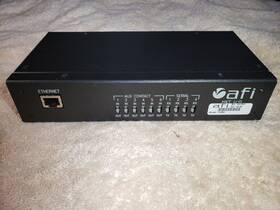
( Brand: Afi ), ( Manufacturer Part Number: N-664 ), ( Part Type: Data )
Review AFI Aircraft System Reliable Data Communication N-664. V1-05
The AFI N-664 Aircraft Reliable Data Communication System V1-05 is a state-of-the-art avionics solution designed to enhance data communication reliability in aircraft operations. This system is engineered to provide secure, robust, and flexible data communication between an aircraft and ground stations or other aircraft.
At its core, the AFI N-664 System V1-05 employs a modular design, which enables seamless integration with various avionics systems and communication protocols. It supports both the Automatic Dependent Surveillance-Broadcast (ADS-B) Out and In functions, ensuring that the aircraft maintains continuous surveillance and exchange of necessary data with Air Traffic Control (ATC) and other aircraft in the vicinity.
The system utilizes a redundant architecture, which ensures high availability and reliability. It features dual-redundant avionics processors, power supplies, and antennas. In the event of a failure in one component, the system seamlessly switches to the backup component, ensuring minimal disruption to communication services.
The AFI N-664 System V1-05 also incorporates advanced error detection and correction capabilities. It uses Forward Error Correction (FEC) to ensure data integrity during transmission, minimizing the risk of data loss or corruption. Additionally, it includes a built-in Health and Usage Monitoring System (HUMS), which continuously monitors the system's performance and reports any anomalies or issues to maintenance personnel, helping to prevent potential system failures.
The system's compact design makes it suitable for installation in various types of aircraft, from small general aviation aircraft to large commercial jets. It is also lightweight, which reduces the overall weight of the aircraft and improves fuel efficiency.
The AFI N-664 Aircraft Reliable Data Communication System V1-05 is an essential component for any modern aircraft seeking to improve communication reliability, safety, and efficiency. With its robust architecture, advanced error detection and correction capabilities, and flexible integration options, it sets a new standard for data communication systems in the aviation industry.
The AFIP N-664 Aircraft Reliable Data Communication Version 1-05 (ARDC V1-05) is a communication standard developed by the Aeronautical Federal Information Processing Standard (AFIPS) organization. This standard defines methods for reliable data communication between aircraft and ground stations to enhance aviation safety and efficiency. In this response, we will discuss the potential pros and cons of implementing the ARDC V1-05 in aviation systems.
Pros:1. Improved Communication Reliability: ARDC V1-05 offers enhanced reliability compared to older communication standards. It uses error detection and correction techniques to ensure data integrity during transmission.
2. Increased Safety: By providing more reliable and timely data exchange between aircraft and ground stations, ARDC V1-05 can contribute to enhanced safety in aviation. This is particularly important during critical phases of flight, such as takeoff, landing, and en-route.
3. Enhanced Efficiency: The standard can lead to increased operational efficiency by enabling real-time data exchange between aircraft and ground stations, allowing for more informed decision-making and reducing the need for frequent voice communications.
4. Compliance with Regulatory Requirements: The adoption of ARDC V1-05 can help aviation organizations meet regulatory requirements, as many regulatory bodies are increasingly mandating the use of modern communication standards.
Cons:1. Cost: Implementing ARDC V1-05 may involve significant costs, including the acquisition of new equipment and the development or integration of software to support the standard.
2. Complexity: The standard may introduce additional complexity to aviation systems, requiring more training for personnel and potentially leading to increased maintenance requirements.
3. Interoperability: Ensuring interoperability between different systems and vendors that support ARDC V1-05 can be a challenge. This may require extensive testing and standardization efforts.
Conclusion:The AFIP N-664 Aircraft Reliable Data Communication Version 1-05 offers several advantages, including improved communication reliability, increased safety, enhanced efficiency, and regulatory compliance. However, it also comes with challenges, such as costs, complexity, and interoperability issues. Organizations should carefully evaluate these factors before deciding to adopt ARDC V1-05 and consider the potential benefits against the costs and complexities involved.
Recommendation:Given the potential benefits of ARDC V1-05, it is recommended that aviation organizations consider adopting this standard as part of their communication infrastructure, especially if they operate in environments where safety and efficiency are critical. However, they should thoroughly assess the costs, complexities, and interoperability challenges and develop a well-planned implementation strategy to mitigate these issues. Additionally, they should engage with industry stakeholders, including vendors and regulatory bodies, to ensure a smooth transition to the new standard.
Details:
You are buying on a new open package AFI AIRCRAFT SYSTEM RELIABLE DATA COMMUNICATION N-664 V1-05, come with what you see in photos only no extra, and for oversea shipping please e-mail cost, good luck.
part #: n664 price
- $759.99
specifications avionicavioni:
- brand: Afi
- mpn: N-664
- part type: Data
shipping avionicavioni:
- type: Fixed
- transit: 3-8 Days
- class: Standard
- service: Standard
- cost: $15.99
offer avionicavioni:
- sold: 0
- options: Ship-to-home
- availability: In Stock
- quantity: 1
- started: January 13, 2026
general avionicavioni:
- condition: New other see details
- Aviation Parts Accessories > Avionics > Other Avionics
seller avionicavioni:
- # reviews: 5959
- rating: 100.0%
- city: Carson, California
returns avionicavioni:
- policy: Returns Accepted
- paid by: Seller
- time: 30 Days
payments avionicavioni:
- credit card: Diners-club
- wallet: Apple-pay
- other
