BOEING Tub 737-727 699314a
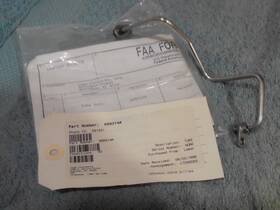
( Brand: Boeing ), ( Manufacturer Part Number: 699314A ), ( Compatible Make: Avionics ), ( Compatible Model: 737 )
Review BOEING Tub P#699314a- Faa Form
The Boeing 737-700 Tub Part Number 699314A is a critical component of the aircraft's galley and food preparation area in the business or economy class cabin. This tub is specifically designed for the Boeing 737-700 aircraft model.
Measuring approximately 16 inches long, 21 inches wide, and 10 inches deep, this tub is made of high-quality, food-grade stainless steel. Its smooth, polished surface ensures easy cleaning and maintenance, making it an ideal choice for airline catering operations. The tub's dimensions and material make it suitable for holding a variety of food items, including soups, stews, salads, and other catering essentials.
The Boeing 737-700 Tub 699314A is designed with a unique shape that allows for efficient use of space in the galley area. Its ergonomic design also makes it easy for crew members to transport and serve food items to passengers. The tub features a flat bottom and sloped sides, which helps to prevent spills and makes it easier to pour contents in and out.
The tub's durability is a key feature that sets it apart from other similar products. Its high-quality stainless steel construction ensures that it can withstand the rigors of frequent use in an aircraft environment. Additionally, its resistance to corrosion and other forms of damage makes it a long-lasting investment for airlines.
The Boeing 737-700 Tub Part Number 699314A is also designed with safety in mind. Its smooth, non-porous surface ensures easy cleaning and sanitizing, reducing the risk of contamination and ensuring that passengers are served safe and hygienic food items. The tub is also designed to fit securely in place in the galley, reducing the risk of it moving or shifting during flight.
Overall, the Boeing 737-700 Tub Part Number 699314A is a high-quality, durable, and functional component that is essential for airline catering operations. Its efficient design, easy-to-clean surface, and resistance to damage make it an ideal choice for airlines looking to serve their passengers safe and delicious food items on their flights.
Buying a Boeing 737-700 tub (tanker conversion unit) with the model number 699314A, also known as the "Boeing 737 Tanker," is a significant investment in aviation equipment. This conversion is widely used by aerial firefighting agencies due to its high capacity and performance. Here are some pros and cons to help you make an informed decision:
Pros:1. High Capacity: The Boeing 737-700 tanker can carry up to 3,200 gallons (12,135 liters) of water, making it one of the most capable aerial firefighting platforms.
2. Extended Reach: With its extended reach, the Boeing 737 Tanker can deliver water to remote areas, providing crucial support to ground crews in large-scale wildfires or forest fires.
3. Speed: The Boeing 737-700 tanker has a cruising speed of around 470 mph (757 km/h), enabling it to quickly reach the scene of an emergency and begin firefighting operations.
4. Versatility: In addition to aerial firefighting, the Boeing 737 tanker can be used for various other applications, including aerial refueling, cargo transport, and medevac missions.
5. Economic Benefits: Owning a Boeing 737 tanker can provide significant economic benefits, such as the ability to offer firefighting services to various agencies and organizations, and the potential for additional revenue through the lease or sale of the aircraft.
Cons:1. High Cost: The initial investment for a new Boeing 737-700 tanker can be quite substantial, with prices ranging from several million to tens of millions of dollars.
2. Complexity: Operating and maintaining a Boeing 737 tanker requires a well-trained crew, specialized equipment, and a significant investment in maintenance and upkeep.
3. Availability: Given the high demand for aerial firefighting services, maintaining a constant availability of the aircraft may require a large operational staff and a significant investment in spare parts and maintenance.
4. Environmental Impact: The use of large, heavy aircraft for aerial firefighting can have significant environmental impacts, including increased fuel consumption and noise pollution.
5. Regulatory Compliance: Owning and operating a Boeing 737 tanker requires strict adherence to various regulations, including those related to safety, maintenance, and environmental impact.
Conclusion:The decision to invest in a Boeing 737-700 tanker involves careful consideration of the potential benefits and challenges. While the high capacity, speed, and versatility of this aircraft offer significant advantages, the high cost, complexity, and environmental impact are important factors to weigh. Ultimately, the suitability of this investment depends on the specific needs and resources of the organization considering the purchase.
Recommendation:Before making a decision, carefully assess your organization's requirements for aerial firefighting services, including the size and scope of the areas you will be serving, the availability of alternative resources, and the financial and operational resources you have at your disposal. Consulting with industry experts, conducting thorough research, and carefully evaluating the costs and benefits can help you make an informed decision regarding the purchase of a Boeing 737-700 tanker.
Details:
Untested HAS paper work EXCELLENT CONDITION untested -HAS.
part #: 699314a prices
- $85.00-$99.00
specifications avionicavioni:
- brand: Boeing
- mpn: 699314a
- compatible make: Avionics
- compatible model: 737
offer avionicavioni:
- sold: 0
- started: December 8, 2025
- availability: In Stock
- quantity: 1
- options: Ship-to-home
seller avionicavioni:
- # reviews: 13943
- rating: 99.6%
- city: Fort Lauderdale, Florida
shipping avionicavioni:
- cost: $5.90
- type: Fixed
- service: Economy
- class: Economy
- transit: 4-11 Days
payments avionicavioni:
- other
- wallet: Google-pay
- credit card: Diners-club
returns avionicavioni:
- policy: No Returns
general avionicavioni:
- Aviation Parts Accessories > Avionics > Other Avionics
- condition: Used
Boeing 699314A Is Similar To:
- 1500-0040-017 1500-0030-006 Flight Dynamics Boeing 737 757 Hud Overhead Projector And Combiner With Cable (29.1% similar) Item includes a ups serviceable parts tag dated. This sale includes the attaching power cable that runs from the projector to the combiner includes Stewart industries removal tag this item is in excellent condition and is as is removed from aircraft. Sale also includes flight dynamics overhead ...(February 1st, 2016)
- L000-828111 Aero Controflex Rare Nos Vintage Boeing Faa Lavatory Sink Faucet (20.2% similar) About 40 ounces. I combine shipping...(October 9th, 2018)
- Boeing 886156-4 737-727 screw Assy P 886156-4 With Faa Form (73% similar) Untested has paper work excellent condition untested -has...(December 8th, 2025)
- Boeing 737126-1 737-727 housing P 737126-1 With Faa Form (73.2% similar) Untested has paper work excellent condition untested -has...(December 8th, 2025)
- Boeing 2a3236-001 737-727 manifold Assy P 2a3236-001 With Faa Form (62.3% similar) Untested has paper work excellent condition untested -has...(December 8th, 2025)
- Boeing 697828 737-727 shaft P 697828 With Faa Form (77.4% similar) Untested has paper work excellent condition untested -has...(December 9th, 2025)
- Boeing 887412-1 737-727 housing P 887412-1 With Faa Form (69.6% similar) Untested has paper work excellent condition untested -has...(December 9th, 2025)
- Boeing 695854 737-727 guide P 695854 With Faa Form (81.1% similar) Untested has paper work excellent condition untested -has...(December 9th, 2025)
- Boeing 699700 737-727 spring P 699700 With Faa Form (78.5% similar) Untested has paper work excellent condition untested -has...(December 9th, 2025)
- Boeing 6967546a 737-727 shaft P 696756a With Faa Form (80.7% similar) Untested has paper work excellent condition untested -has...(December 9th, 2025)
- Boeing 699545 737-727 shaft P 699545 With Faa Form (84.9% similar) Untested has paper work excellent condition untested -has...(December 9th, 2025)
